The roof is the most important part of any hot tub enclosure, and it’s the one decision that determines whether your gazebo lasts 2 years or 20.
Yet most people spend their research time comparing sizes, materials, and brands while barely glancing at the roof. When they do, they see two categories: hardtop (solid panels) and soft top (fabric canopy). The price gap between them is real. But so is the performance gap, and over time, the cheaper option almost always ends up costing more.
Here’s the straightforward case for why a hard roof gazebo is the only serious option for year-round hot tub use.
Soft Top Gazebos: What You’re Actually Getting
A “soft top” gazebo uses a fabric canopy — typically polyester, canvas, or a poly-blend — stretched over a metal frame. These are the $200–$1,500 gazebos you find at big-box stores, patio furniture shops, and Amazon.
For a patio shade structure or casual outdoor dining setup, they’re fine. For a hot tub enclosure, they have problems that no amount of good engineering can fix:
- Snow accumulation: Fabric roofs sag under snow weight. Even a few inches of wet snow can pool in the center of a canopy, and once that happens, the weight increases rapidly until the fabric tears or the frame buckles. Most fabric gazebo manufacturers state a snow capacity of 0–4 inches — roughly 1–2 pounds per square foot. That’s nothing.
- Wind damage: Fabric catches wind like a sail. Canopy gazebos routinely get ripped apart in storms, even with tie-downs. One Westview customer mentioned going through three big-box store gazebos before a windstorm destroyed the last one. That experience is incredibly common.
- UV degradation: Sunlight breaks down fabric. After 1–2 seasons of full sun exposure, most canopies fade, become brittle, and start tearing at the seams. Replacement canopies cost $80–$200 or more, and eventually the manufacturer discontinues the model and replacements become unavailable.
- Moisture and mold: Hot tub humidity rises constantly. Fabric traps moisture, creating a breeding ground for mold and mildew. This is especially bad in enclosed soft-top designs where the canopy has curtain walls — you get a humid, musty tent that smells terrible within months.
- No insulation: Fabric provides zero insulation value. On a cold night, a soft top gazebo is marginally warmer than sitting outside with nothing overhead. If year-round use matters to you, fabric isn’t a real option.
The realistic lifespan of a fabric canopy in hot tub service is 1–3 seasons before it needs replacement. The frame may last longer, but frames without canopies are just expensive coat racks.
Hardtop Gazebos: The Upgrade That Pays for Itself
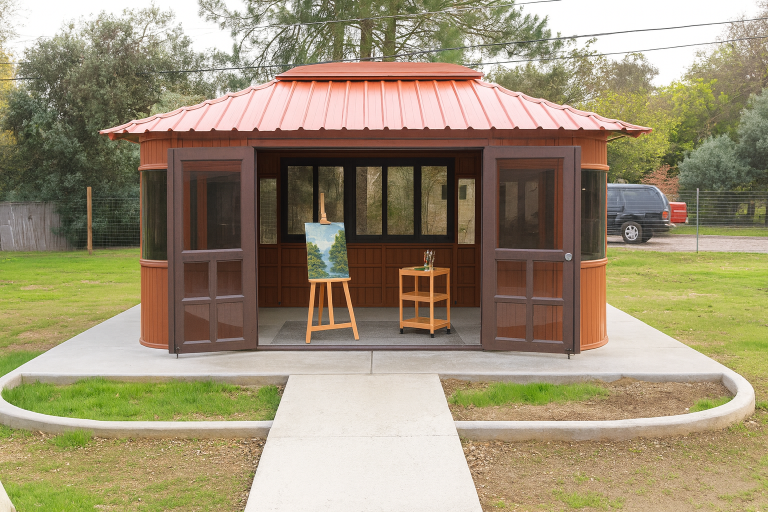
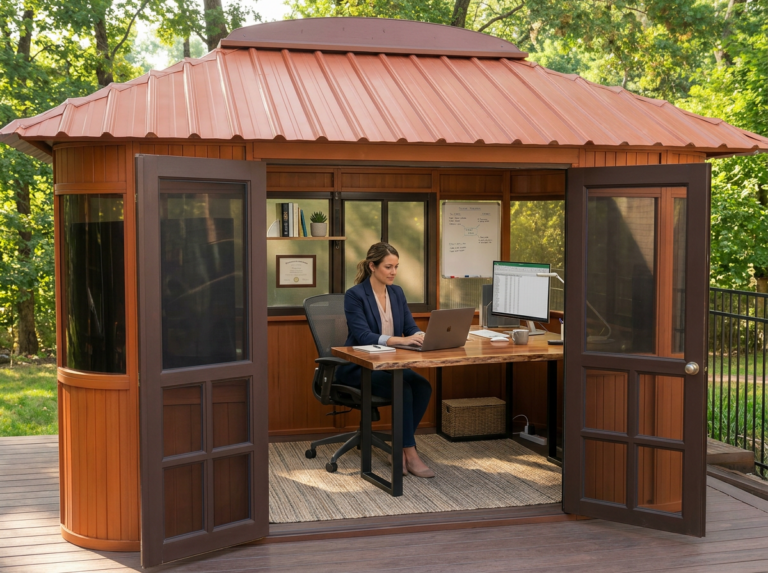
A hardtop gazebo uses rigid panels for the roof — typically polycarbonate, galvanized steel, or a specialty material like Duraflex. The roof is a permanent structural element, not a replaceable accessory.
When comparing gazebo roof types for hot tub use, the hard roof gazebo advantages are substantial:
- Snow load capacity: A polycarbonate or Duraflex roof can handle 35–40+ pounds per square foot, depending on the model and whether bracket upgrades are installed. For reference, a foot of wet snow weighs roughly 15–20 psf. That means a properly rated hardtop can handle 2–3 feet of heavy snow accumulation without any structural concern. Compare that to the 1–4 inches a fabric canopy can manage.
- Wind resistance: Rigid panels bolted to a frame don’t catch wind the way fabric does. Westview’s Duraflex-roofed models carry wind ratings of 75–115 mph when properly anchored. One customer in Delaware reported their gazebo passing a 50 mph wind test with zero movement. Another owner mentioned their structure “held the heavy snow load over the winter and the gazebo looks as good as it did a year ago.”
- UV protection: Polycarbonate blocks harmful UV rays while still allowing light transmission through skylights. Your skin is protected, the tub water stays cleaner, and the roof material itself doesn’t degrade from sun exposure the way fabric does.
- Heat retention: A solid roof with walls creates a microclimate inside the enclosure. Hot tub steam stays trapped, raising the ambient temperature by 10–20°F or more compared to open air. That means your tub’s heater works less, your energy bills drop, and you’re comfortable getting in and out even in cold weather.
- Lifespan: A quality hardtop roof lasts 15–25+ years with no maintenance. Duraflex specifically requires zero staining, sealing, or repainting. The roof you install is the roof you’ll have for the life of the structure.
Side by Side: Hardtop vs. Soft Top for Hot Tubs
| Factor | Soft Top (Fabric) | Hardtop (Polycarbonate/Duraflex) |
| Snow capacity | 1–4 inches (1–2 psf) | 2–3+ feet (35–45+ psf) |
| Wind resistance | 30–40 mph typical | 75–115 mph (anchored) |
| UV protection | Moderate (degrades yearly) | Excellent (built-in, permanent) |
| Heat retention | Minimal | Significant (+10–20°F) |
| Lifespan | 1–3 seasons (canopy) | 15–25+ years |
| Maintenance | Replace canopy every 1–3 yrs | None (Duraflex) or minimal |
| Mold/moisture | High risk | Low risk (proper ventilation) |
| Upfront cost | $200–$1,500 | $1,500–$22,000 |
| 5-year total cost | $600–$3,000+ (replacements) | Same as purchase price |
| Year-round use? | Warm climates only | Yes — all four seasons |
What About Duraflex? How It Compares to Standard Polycarbonate
Most hardtop gazebos at big-box stores use standard polycarbonate panels on an aluminum frame. These are a real improvement over fabric, but they’re not all equal. Duraflex — the roofing material used on Westview’s enclosed gazebos — is a proprietary polycarbonate composite that’s thicker and more impact-resistant than the standard panels you’ll find on most retail gazebos.
The practical differences: Duraflex panels carry a standard capacity rating of up to 35 pounds per square foot (upgradable to 40 psf with bracket kits). They’re paired with built-in skylights on hip-roof models, which lets natural light flood the interior without sacrificing structural integrity. And because they’re a composite rather than a single-layer sheet, they handle hail and impact better than basic polycarbonate.
One customer mentioned caulking the roof screws during assembly and reported zero leaks after the first rainstorm. Another noted the roof “passed its first big test” during a storm. These are the kinds of real-world results that separate engineered roofing from commodity panels.
When a Soft Top Might Be Fine
To be fair: not everyone needs a hardtop. If you live in a warm climate with minimal rain, never plan to use the hot tub in winter, and view the gazebo as temporary shade rather than a permanent structure, a fabric canopy can work for a season or two.
But if any of the following apply to you, a durable gazebo roof is not optional — it’s essential:
- You get snow: Any amount of accumulating snow requires a rated hardtop.
- You get wind: If your area sees storms above 40 mph, fabric will fail eventually.
- You want year-round use: Heat retention requires solid walls and a solid roof.
- You want it to last: If you’re thinking in terms of years rather than seasons, hardtop is the only viable path.
The hardtop vs. soft top gazebo decision really comes down to one question: are you buying a temporary shelter or a permanent room? For hot tub owners who want to use their spa all year, in any weather, without replacing parts every season, the answer writes itself.
Want to see what a Duraflex hardtop looks like in action? Browse Westview’s full lineup — every enclosed model comes standard with Duraflex roofing and a skylight. For questions about snow load ratings for your area, check the Engineering page or call 1-800-895-1972.