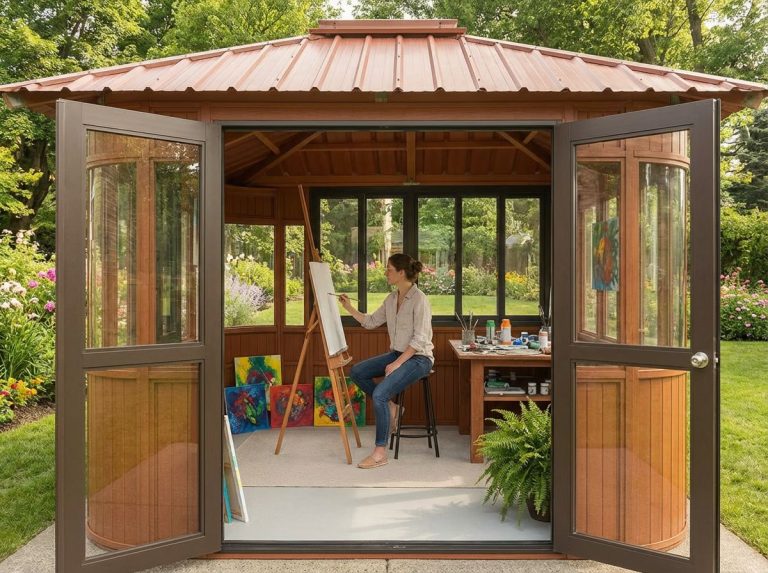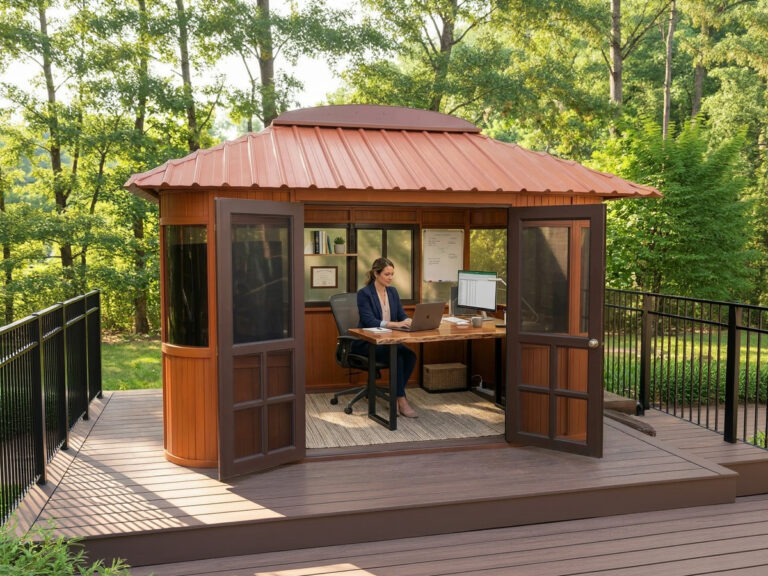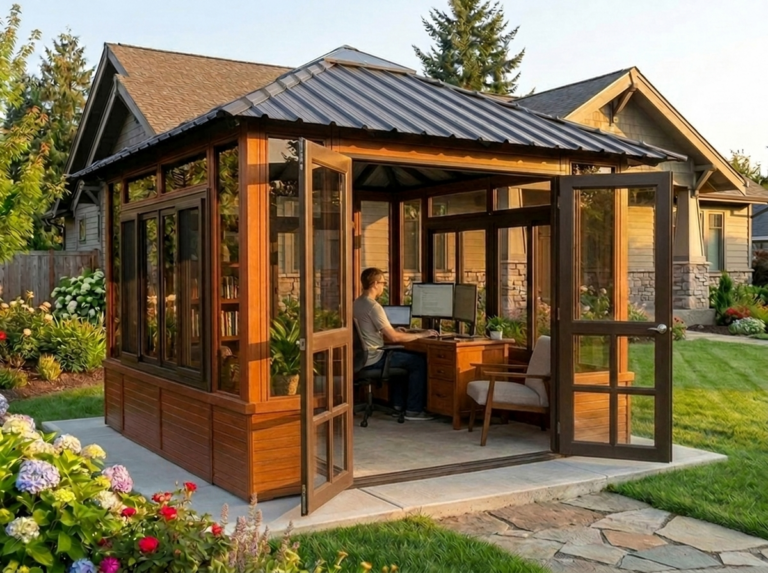
Complete Buyer’s Guide 2026
So you’re thinking about getting a spa gazebo. Maybe you’ve had your hot tub for a while and you’re tired of dealing with the weather? Rain when you want to soak? Too much sun when you’re trying to relax? Leaves falling in the water? Maybe you’re still shopping for the whole setup, and you want to do it right the first time.
Either way, you’ve probably noticed there are about a million options out there. Different sizes, different materials, different price points. Some look like little houses, others are more like fancy pergolas. Pretty much every seller claims their gazebo is the best. How do you actually figure out what’s right for you?
That’s what we’re going to walk through here. No fluff, no complicated jargon, just the information that actually matters when you’re spending a few thousand dollars on something that should last you a decade or more.
Start With the Basics: What Are You Actually Trying to Do?
Before we get into specs and features, take a step back and think about how you want to use this thing.
Are you mainly looking for protection from the elements? Do you want complete privacy so the neighbors can’t watch you soak? Is year-round use important, or is this more of a three-season setup? Do you care about looks? Do you want something that turns heads, or something that blends in with your backyard?
These questions matter more than you might think. A gazebo that’s perfect for someone who wants a casual Summer setup might be totally wrong for someone planning to use their spa every single day in the middle of January.
Here’s the thing, there’s no single “best” spa gazebo. There’s only the best one for your specific situation.
So, let’s figure out what that looks like.
Size Matters More Than You Think.
Here’s where a lot of people mess up. They see a gazebo they like, they see a price that seems reasonable, and they pull the trigger without really thinking through whether it’ll actually fit their hot tub and their needs.
Let’s save you some headaches: Measure twice, buy once.
First, you need to know exactly how big your hot tub is. I’m talking about the actual dimensions, not the “seats 6” marketing speak, but the real measurements. Length, width, height. Write these down.
Now add some space. Your gazebo needs to be bigger than your hot tub for a few reasons:
– You need room to get in and out comfortably.
– You’ll want some storage space for chemicals, towels, maybe a little bench.
– If you’re in a colder climate, you might want a changing area.
Most experts recommend adding at least 2-3 feet on each side. Some people go bigger, 4 feet or more if they really want to create a whole spa room experience.
Here’s a quick reference:
– For a 6-person hot tub (about 7′ x 7′), look for a gazebo at least 10′ x 10′
– For an 8-person hot tub (about 8′ x 8′), you’re probably looking at 12′ x 12′ or larger
– Smaller 2-3 person tubs can work with 8′ x 8′ or even 8′ x 10′ gazebos
– Swim spas. Those larger combination pool/spa units often need 14 foot wide or bigger. The Brentwood 14×24 https://www.westviewmfg.com/gazebos-studios/brentwood/brentwood-14×24/ is a mid sized spa gazebo that provides the width needed to comfortably fit most swim spas.
Don’t just focus on the footprint. Height matters too. If you’re tall, or if you want to mount things like speakers or TVs inside, you need to factor that in. Standard gazebo heights range from about 7 feet to 10 feet or more. Taller isn’t automatically better, but you don’t want to feel cramped.
Not sure what size you need? Many manufacturers offer multiple sizes in their product lines. For example, the popular Colorado ( https://www.westviewmfg.com/gazebos-studios/colorado/ ) and Aspen ( https://www.westviewmfg.com/gazebos-studios/aspen/ ) series from Westview come in several different dimensions, so you can find one that matches your specific hot tub size.
One more thing, think about door placement. Where will the door open? Make sure there’s enough clearance outside the gazebo for the door to swing open fully. This sounds obvious, but it’s surprisingly easy to overlook when you’re focused on the inside dimensions.
Materials: What Are You Actually Getting?
This is where things get interesting, because there’s a lot of variation in what gazebos are made of and a lot of marketing spin about what “best” means.
Wood
Historically, wood gazebos, particularly cedar, were a popular choice. Cedar has a classic look and is naturally resistant to rot and insects. It smells great and ages nicely.
However, wood requires ongoing maintenance, regular sealing, staining, and occasional repairs. For many homeowners, this upkeep becomes a burden over time.
That’s exactly why Westview transitioned away from wood. They now use Ultrawood, an engineered composite material that gives you the natural look of wood without the maintenance. Ultrawood is resistant to fading, cracking, and rotting, and it’s designed to last a lifetime with zero upkeep. It’s a much smarter choice for most people who want their gazebo to look great for years without constant work.
You can learn more about Ultrawood on Westview’s product page ( https://www.westviewmfg.com/gazebos-studios/ ).
Vinyl and Plastic
Vinyl gazebos are basically the opposite of wood in terms of maintenance. You can hose them off, maybe wipe them down once in a while, and that’s about it. No staining, no sealing, no rot.
The trade-off; looks and durability. A lot of vinyl gazebos have that… vinyl look. Some manufacturers do a better job than others of making them look premium, but you’re usually sacrificing some of the natural warmth that wood provides. Vinyl gazebos are often made from very thin, light weight materials that do not stand up to sever weather conditions, resulting in costly repairs or may even require replacement.
Composite and Synthetic Materials
This is where things get interesting. There are some newer materials, things like composite lumber, engineered polymers, and various synthetic blends that try to give you the best of both worlds.
The best ones look pretty close to wood but require almost no maintenance. They’re resistant to fading, cracking, rotting. Westview, for example, uses Ultrawood and Duraflex materials in their gazebos, which are engineered specifically for outdoor spa use. The idea is you get the natural look without the upkeep.
These tend to cost more upfront than basic vinyl, but if you’re planning to keep the gazebo for a long time, the math can work out in your favor when you factor in saved maintenance costs and durability.
Roofing Materials
Don’t forget about the roof. You’ve got options here too:
-Metal roofs are durable and can look sleek, but they can be noisy in rain and heat up in the sun
– Polycarbonate or acrylic roofs let in light while providing protection
– Traditional shingles look more like a house roof but add weight and cost not to mention they can degrade over much shorter periods of time.
This is one area where different models really vary. Some gazebos come with one roof type and that’s it. Others offer choices. The Colorado line ( https://www.westviewmfg.com/gazebos-studios/colorado/ ), for instance, features a Duraflex PC roof with a skylight, which is nice if you want some natural light even when it’s closed.
Think about your climate. If you get a lot of snow, you need a roof that can handle the load. If you live somewhere sunny, maybe UV protection matters. If you want to stargaze from your hot tub, a skylight might be worth the extra investment.
Climate Considerations: Year-Round Use vs. Seasonal
This is one of those factors that sounds minor but makes a huge difference in practice.
(Are you planning to use your hot tub year-round, even in Winter? Or is this more of a Summer and Fall thing?
If you’re in a climate with real Winters; snow, freezing temps, the works, you need a gazebo that’s built for it.
That means:
– Proper sealing – no drafts sneaking in
– Snow load rating – make sure the roof can handle the weight
– Heating considerations- your HVAC system needs to account for the enclosure
On the other hand, if you’re in a milder climate or just planning seasonal use, you have more flexibility. A more open design with screens might actually be nice. It gives you ventilation when it’s warm but protection when you need it.
Westview’s product line includes options for both scenarios. The fully enclosed models like the Denali (https://www.westviewmfg.com/gazebos-studios/denali/) are designed for year-round use in various climates, while more open designs like the Zento models work well for seasonal setups.
Features: What Do You Actually Need?
Now we’re getting into the fun stuff. What do you want your gazebo to actually do?
Windows and Doors
Some gazebos come with full walls and windows. Others are more open, basically a roof with some posts.
Which is better?
It depends on what you’re optimizing for:
– Full enclosure with windows – Best for year-round use, privacy, and weather protection
– Screened walls – Great if bugs are an issue but you want airflow
– Open design – Cheaper, more open feel, but less protection
Many gazebos offer options here, you can add windows, screens, or panels as needed. Think about what’s important to you and check whether the gazebo you’re considering gives you flexibility.
If you’re comparing options, it’s worth noting that different models offer different window configurations. The Whistler series ( https://www.westviewmfg.com/gazebos-studios/whistler/ ), for instance, is known for larger windows, which matters if you want more natural light and visibility.
Door style matters too. Some gazebos have single doors, others have double doors, easier for moving things in and out.
Lighting:
This is one of those “small” details that makes a big difference in practice. Do you want overhead lights, Electrical outlets inside? LED strips? USB charging ports?
If you’re planning to use your spa at night, and let’s be honest, that’s when it’s most relaxing, you need to think about how you’ll light the space.
Pro tip: think about where the electrical source will come from. Running electricity to a gazebo in the middle of your yard is different than if it’s attached to your house. This can significantly impact your design.
Flooring:
What should be under your gazebo? Options include:
– Concrete pad (most solid, but permanent)
– Wooden or synthetic deck (looks nice, requires maintenance)
– Pavers (good middle ground)
– Gravel (cheapest, but can be messy)
This is one of those decisions that might be made for you depending on what your gazebo is designed for. Some require a specific foundation type, so check before you commit.
Privacy Features:
Let’s be honest, one of the big reasons people get spa gazebos is privacy. You don’t want the whole neighborhood watching you relax.
Some gazebos come with frosted or tinted windows. Others have the option to add curtains or shades. Some are just designed with smaller windows or higher walls.
Think about your specific situation. Are you in a crowded neighborhood with houses close by? Do you have neighbors at eye level? These factors should influence whether you prioritize privacy features.
Ventilation:
This one gets overlooked a lot, but it’s important. Even if you get a fully enclosed gazebo, you need some way for air to move. Otherwise, you’re dealing with condensation, mold, and a stuffy feeling.
Look for:
– Vents in the roof or walls
– Windows that can open
– Ceiling fans
Good ventilation makes the space more comfortable.
Budget: What Should You Actually Spend?
Here’s the uncomfortable truth: quality spa gazebos aren’t cheap. If you see something that seems like a steal, there’s usually a reason. Materials, engineering, proper installation, these things cost money.
That said, “expensive” doesn’t always mean “better.” You want to find the sweet spot where you’re getting what you need without paying for features you don’t actually use.
A good range to start with:
– Budget: $2,000 ? $4,000
– Basic vinyl or soft-top options
– Smaller sizes
– Fewer features
-Mid-range: $4,000 ? $8,000
– Quality composite or vinyl
– More size options
– Windows, screens, basic features
– Premium: $8,000+
– High-end materials
– Large sizes
– Customizable features, lighting, electrical and climate control mounting points.
One more thing: don’t forget to budget for delivery and installation. Some companies include these, others don’t. A 12′ x 12′ gazebo isn’t something you can easily take home yourself.
Also factor in:
– Foundation preparation (concrete, pavers, etc.)
– Electrical work if you want lights/outlets
– Permits if required in your area
– Any accessories or upgrades
Westview, for instance, offers multiple product lines at different price points, from the Vail
( https://www.westviewmfg.com/gazebos-studios/vail/ ) to the Brentwood( https://www.westviewmfg.com/gazebos-studios/brentwood/ ) so you can find something that fits your budget while still getting the features that matter most to you.
The Installation Question
Speaking of installation, how are you going to get this thing set up?
Some gazebos are sold as kits that you assemble yourself. Others come pre-assembled or partially assembled. Some companies offer professional installation while others leave it entirely up to you.
One thing that varies significantly between manufacturers is how the gazebo arrives. Westview, for example, ships their gazebos pre-assembled in wall-to-wall panel format, which makes the actual on-site installation much simpler. You’re not dealing with a pile of lumber and instructions, you’re putting together larger pre-built sections.
Be honest about your skills here. A well-designed gazebo kit can definitely be DIY’d if you’re reasonably handy. But if you’re not comfortable with that kind of project, factor in the cost of hiring someone.
Also, check whether you need permits. Gazebos sometimes fall under building codes, especially if they’re attached to your house or above a certain size. Don’t skip this step, finding out you need a permit after you’ve already bought your gazebo is a terrible feeling.
Common Mistakes to Avoid
After all this, let me leave you with some pitfalls to watch out for:
Choosing based on looks alone – That beautiful gazebo might be wrong for your climate or needs. Function first, form second.
Underestimating the foundation – Don’t forget to budget for a proper base. A gazebo on uneven ground or a poor foundation won’t last long.
Ignoring delivery logistics – Getting a 12-foot gazebo delivered isn’t like getting a package on your porch.
Check access to your yard, any obstacles, and delivery requirements.
Skimping on size – It’s always better to go slightly bigger than you think you need. Trust me on this one.
Forgetting about permits – Learn from other people’s mistakes. Check with your local building department before you buy.
Making Your Decision
At the end of the day, choosing a spa gazebo comes down to matching your specific situation with the right product. Here’s my recommendation for how to approach it:
- Know your hot tub dimensions – non-negotiable first step
- Define your must-haves – write down 3-5 features you really care about
- Set a realistic budget – include delivery and installation
- Narrow it down to 2-3 options – don’t overwhelm yourself
- Read real reviews – not just the testimonials on the seller’s site
- Ask questions – reputable companies should be able to answer your questions
If you want to explore some specific options, here’s a quick rundown of common product lines:
– The Colorado ( https://www.westviewmfg.com/gazebos-studios/colorado/ ) series is a solid mid-range option.
– The Aspen ( https://www.westviewmfg.com/gazebos-studios/aspen/ ) works well if you need something in a smaller footprint.
– The Brentwood( https://www.westviewmfg.com/gazebos-studios/brentwood/ ) is popular for larger swim spas.
– The Whistler( https://www.westviewmfg.com/gazebos-studios/whistler/ ) has those bigger windows we mentioned.
You can check out the full lineup here ( https://www.westviewmfg.com/gazebos-studios/ ) to see which one’s match what you’re looking for.
Still have questions? The team at Westview can help walk you through the options based on your specific situation. Get in touch (https://www.westviewmfg.com/contact/) and they’ll point you in the right direction, no pressure, just helpful answers.
Shop Westview: Hot Tub Gazebos & Enclosures · Aluminum Pergolas · Spa Steps · Current Deals